Understanding the Importance of Documentation
Starting a job in the United States as an international employee requires more than just a job offer. U.S. employers are legally obligated to verify that every employee is authorized to work in the country. Proper documentation ensures compliance with immigration and employment laws, facilitates payroll setup, and prevents delays in your start date.
Having all required documents prepared ahead of time also helps smooth your transition, avoids potential legal issues, and establishes credibility with your new employer.
1. Work Visa and Approval Notice
Work Visa Types
Most foreign workers require a visa to legally work in the U.S. Common work visas include:
- H-1B Visa: Specialty occupations requiring a bachelor’s degree or higher.
- L-1 Visa: Intracompany transfers for managers, executives, or employees with specialized knowledge.
- O-1 Visa: Individuals with extraordinary ability in sciences, arts, or business.
- TN Visa: For Canadian and Mexican citizens under the USMCA agreement.
Petition Approval
Once your employer files the visa petition with U.S. Citizenship and Immigration Services (USCIS), you will receive an approval notice. For H-1B and other employment-based visas, this is Form I-797. Keep this document safe, as it serves as proof of your authorization to work.
Visa Stamping
If you are outside the U.S., you must apply for visa stamping at a U.S. consulate or embassy. Bring your approval notice, passport, and supporting documentation for the interview. Once stamped, this visa allows you to enter the U.S. to begin work.
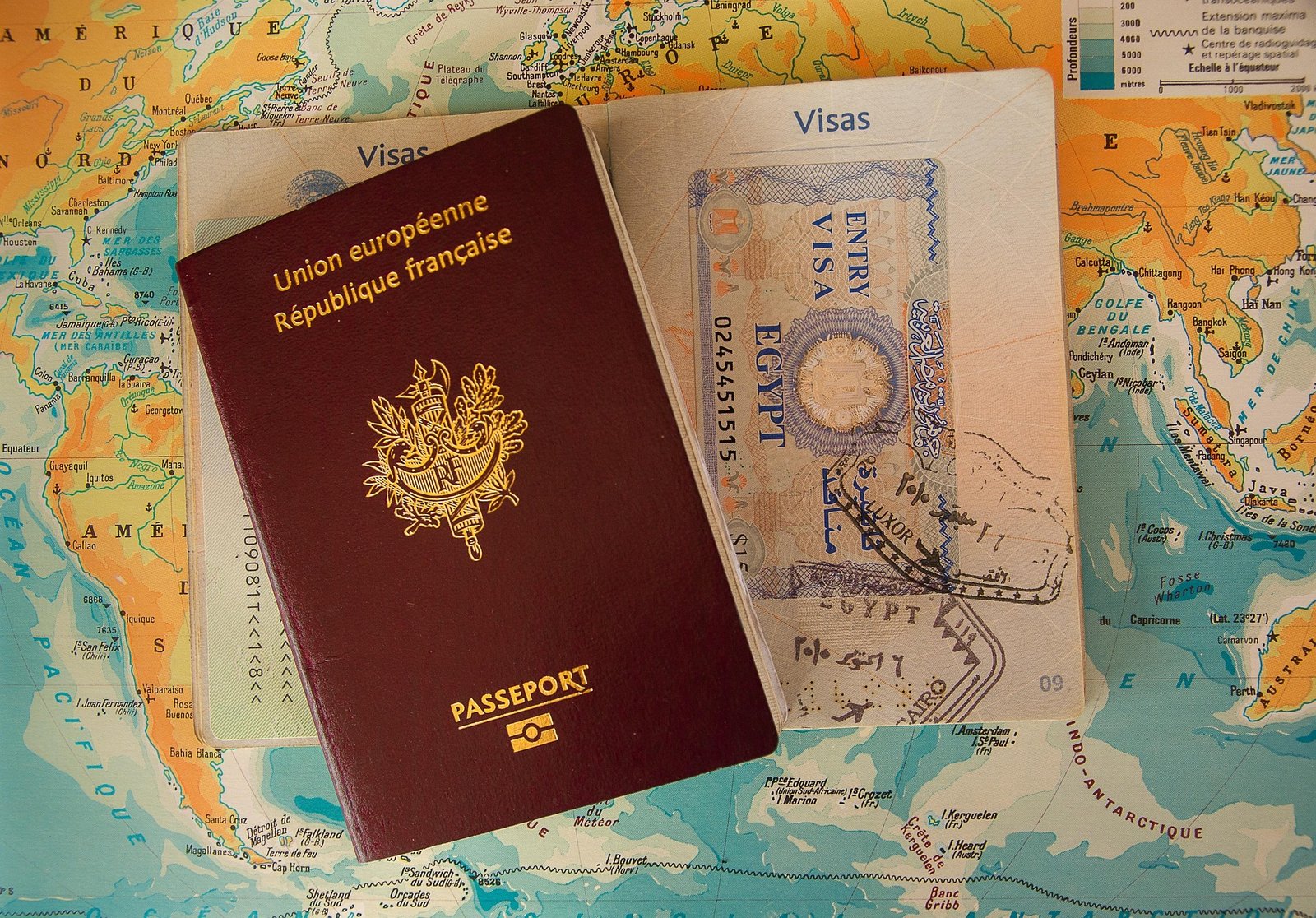
2. Passport
Your passport is the primary identification document for international travel and employment verification. Ensure:
- It is valid for at least six months beyond your intended stay.
- You have multiple copies for official use and backups.
- You carry it safely when traveling and keep digital copies in case of loss.
3. Social Security Number (SSN)
Purpose of SSN
A Social Security number is essential for tax reporting, payroll processing, and accessing financial services in the U.S. Your employer cannot process your salary without it.
Applying for SSN
- Apply shortly after arriving in the U.S.
- Required documents include your passport, visa, I-94 form (arrival/departure record), and employment verification letter.
- Some employers assist with scheduling your SSN appointment.
4. Form I-9: Employment Eligibility Verification
Employer Requirement
U.S. employers must complete Form I-9 for every employee to verify work authorization. You are responsible for providing acceptable documents to confirm identity and employment eligibility.
Acceptable Documents
Documents fall into three categories:
- List A: Documents proving identity and employment eligibility (e.g., U.S. passport, permanent resident card, or work visa with I-94).
- List B: Documents proving identity only (e.g., driver’s license or state ID).
- List C: Documents proving employment authorization only (e.g., Social Security card or birth certificate).
Employees may provide one document from List A or a combination of one from List B and one from List C.
5. Offer Letter and Employment Contract
Purpose
Your job offer letter and employment contract outline your role, salary, benefits, and start date. Employers may request copies for HR records and visa processing.
Review Carefully
- Confirm job title, responsibilities, and salary.
- Check relocation assistance, bonuses, or other benefits if offered.
- Keep a signed copy for your records.
6. Academic and Professional Credentials
Education Verification
Employers may require transcripts, diplomas, or certificates to verify your qualifications, particularly for H-1B or specialty positions.
Professional Licenses
Certain roles, such as healthcare, engineering, or finance, require state-specific licenses or certifications. Ensure that your credentials are recognized in the U.S. and keep copies ready.
7. Tax Documents
W-4 Form
Complete Form W-4 to determine federal income tax withholding. Accurate information ensures proper deductions from your paycheck.
State Tax Forms
Many states require additional tax forms for state income tax withholding. Your employer or HR department will provide the necessary forms based on your work location.
International Tax Considerations
If you have earned income abroad, consult a tax advisor to understand reporting requirements and potential exemptions or treaties.
8. Health Insurance and Medical Records
Employer-Provided Insurance
Most U.S. employers offer health insurance coverage. You may need to submit enrollment forms and documentation for dependents.
Medical Records
While not always required, having copies of vaccination records, prescriptions, and recent medical history is helpful, especially for international relocation.
9. Banking and Financial Documents
Opening a Bank Account
You will need a bank account to receive your salary. Required documents often include:
- Passport
- Social Security number
- Proof of address (lease agreement, utility bill, or employer letter)
International Transfers
If moving funds from your home country, understand fees, exchange rates, and bank requirements. Some banks provide services tailored to newcomers.
10. Driver’s License or State ID
Importance
If you plan to drive in the U.S., you may need a driver’s license. Even for public transportation users, a state ID can serve as official identification for banking, housing, and healthcare.
Process
- Check whether your home country’s license is valid temporarily.
- Apply for a state license after meeting residency requirements, usually a few weeks after arrival.
Step 11: Emergency and Contact Information
Prepare Essential Contacts
Keep a list of:
- Employer HR contacts
- Local emergency numbers
- Embassy or consulate contacts
- Relocation services or housing contacts
Having this information ensures safety and smooth navigation during your initial weeks.
Step 12: Additional Optional Documents
- Resume/CV Copies: For HR verification or networking purposes.
- Reference Letters: May be requested for verification or internal record keeping.
- Rental Agreements: Required if you use a home address for employment or banking purposes.
- Travel Insurance: Helpful during initial relocation.
Tips for Organizing Documents
- Create both digital and physical copies.
- Keep a dedicated folder or binder for easy access.
- Share required documents with HR in advance to streamline onboarding.
- Label and categorize documents for visa, tax, and employment purposes.
Conclusion
Preparing all necessary documents before starting work in the United States ensures a smooth transition and compliance with immigration and employment laws. Key documents include work visas, passports, Social Security numbers, Form I-9 documentation, offer letters, academic credentials, tax forms, and health insurance information. Organizing these documents carefully, verifying their validity, and submitting them promptly to your employer allows you to focus on your new role and settle into life in the U.S. with confidence. Proper documentation not only supports legal employment but also lays the foundation for a successful career and smooth adjustment to living and working in the United States.