Understanding the U.S. Job Interview Process
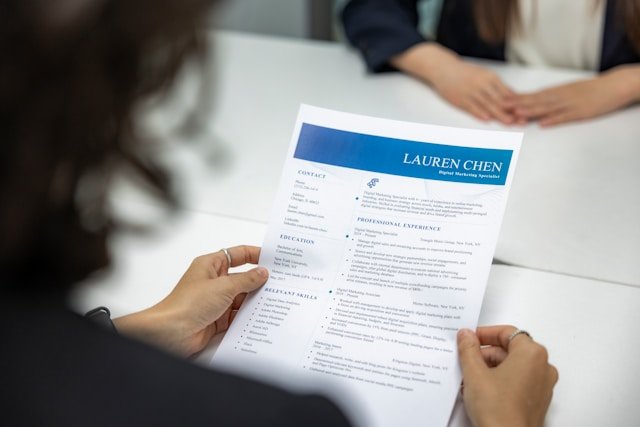
In the United States, job interviews often involve multiple stages, including phone screenings, virtual interviews, and in-person meetings. Employers use these interviews to assess not only your skills but also your cultural fit, communication abilities, and problem-solving approach. Being familiar with common questions and preparing thoughtful answers can increase your chances of success.
General Background Questions
1. “Tell me about yourself.”
This is typically the first question in U.S. interviews. Focus on your professional background rather than personal details. Highlight relevant experience, achievements, and skills that relate directly to the role.
Example Answer:
“I have over five years of experience in digital marketing, specializing in SEO and content strategy. In my previous role at XYZ Company, I led a team that increased organic traffic by 40% in six months. I am passionate about leveraging analytics to optimize campaigns, which aligns well with your company’s focus on data-driven marketing.”
2. “Why do you want to work here?”
Employers want to see that you’ve researched the company and are genuinely interested in the role. Mention specific aspects such as company values, projects, or industry reputation.
Example Answer:
“I admire your company’s commitment to sustainability and innovation. Your recent product launch demonstrated a forward-thinking approach, and I’m excited about the opportunity to contribute my project management experience to support your upcoming initiatives.”
3. “What are your strengths and weaknesses?”
For strengths, focus on skills relevant to the job. For weaknesses, mention an area you are actively improving, showing self-awareness and growth.
Example Answer:
“My key strength is my ability to manage cross-functional teams effectively, ensuring projects meet deadlines and quality standards. A weakness I’ve been working on is delegating tasks more efficiently. I’ve started using project management software to track assignments and improve team accountability.”
Behavioral Questions
Behavioral questions are common in U.S. interviews and aim to evaluate how you handle specific situations. Use the STAR method (Situation, Task, Action, Result) to structure your answers.
4. “Give an example of a time you faced a challenge at work and how you handled it.”
Example Answer:
Situation: “At my previous company, a key client was dissatisfied with our delivery timeline.”
Task: “I needed to address the client’s concerns and ensure the project stayed on track.”
Action: “I organized a meeting with the team, identified bottlenecks, and implemented a revised schedule with daily progress updates.”
Result: “The project was completed on time, and the client provided positive feedback, leading to a contract renewal.”
5. “Describe a time you worked in a team.”
Example Answer:
Situation: “Our marketing team had to launch a product campaign within two weeks.”
Task: “I was responsible for coordinating content creation and social media scheduling.”
Action: “I collaborated closely with designers, copywriters, and analysts, ensuring everyone was aligned on deadlines and goals.”
Result: “The campaign launched successfully, exceeding engagement targets by 25%.”
6. “Tell me about a time you showed leadership.”
Example Answer:
Situation: “During a project at my previous job, our manager was unavailable during a critical phase.”
Task: “I had to guide the team to meet deadlines.”
Action: “I organized daily check-ins, delegated responsibilities, and provided guidance on key deliverables.”
Result: “The team completed the project on schedule, and senior management recognized our performance.”
Technical and Role-Specific Questions
7. “What tools or software are you proficient in?”
Be honest and mention tools relevant to the job. Highlight any advanced skills or certifications.
Example Answer:
“I am proficient in Microsoft Excel, Salesforce, and Google Analytics. I have also completed a certification in HubSpot CRM, which has helped streamline our marketing workflows.”
8. “How do you stay current in your field?”
Employers value candidates who pursue professional growth. Mention relevant courses, webinars, conferences, or industry publications.
Example Answer:
“I regularly attend webinars hosted by industry leaders, subscribe to newsletters like MarketingProfs, and recently completed an advanced SEO course to stay updated on best practices.”
Situational Questions
9. “How would you handle a conflict with a coworker?”
Demonstrate professionalism, communication skills, and problem-solving ability.
Example Answer:
“I would first listen to understand their perspective and then calmly share my viewpoint. I aim to find common ground and focus on solutions rather than assigning blame. In a previous instance, this approach helped resolve a scheduling conflict, and we completed the project efficiently.”
10. “What would you do if you were assigned multiple urgent tasks?”
Employers want to see prioritization skills and time management.
Example Answer:
“I would assess the urgency and impact of each task, communicate with my manager to clarify priorities, and create a structured plan to address each assignment efficiently. This method ensures high-quality results while meeting deadlines.”
Questions About Career Goals
11. “Where do you see yourself in five years?”
Show ambition while aligning with the company’s trajectory. Emphasize skill development and contribution rather than personal milestones.
Example Answer:
“In five years, I see myself leading a project management team, helping to implement innovative processes that drive company growth. I am excited about developing my leadership skills while contributing to your organization’s success.”
12. “Why should we hire you?”
Focus on unique skills, relevant achievements, and cultural fit. Summarize how your experience addresses the company’s needs.
Example Answer:
“With my experience in digital marketing and proven track record of increasing engagement and revenue, I can bring immediate value to your team. My proactive approach and alignment with your company’s mission make me well-suited for this role.”
Preparing for Interviews Effectively
Research the Company
Learn about the company’s products, services, culture, and recent developments. This knowledge allows you to answer questions confidently and demonstrate genuine interest.
Practice Common Questions
Rehearse answers to standard questions but avoid sounding scripted. Use STAR examples for behavioral questions and prepare specific, quantifiable achievements.
Dress Professionally
Even for virtual interviews, dressing appropriately conveys professionalism and respect for the process.
Follow Up After the Interview
Send a thank-you email within 24 hours to express appreciation and reinforce interest. Mention specific points from the interview to personalize your message.
Conclusion
Preparing for common U.S. job interview questions and understanding their purpose can dramatically improve your performance. By structuring answers using concrete examples, aligning your experience with the employer’s needs, and demonstrating professionalism, you can confidently navigate interviews and increase your chances of receiving job offers.